Why unexamined beliefs matter more than you think
Most leadership development focuses on behaviors. Communicate better. Be more assertive. Set clear goals. Offer feedback. These skills are useful and matter.
But in my experience, it’s not just what leaders do that shapes their teams.
It’s who they are.
And behind that are beliefs.
Not the ones you write on a whiteboard during a leadership retreat.
But the quiet, often unconscious ones:
• I have to know everything or I’ll lose credibility.
• If I rest, I’ll fall behind.
• People only respect strength.
• It’s safer not to ask for help.
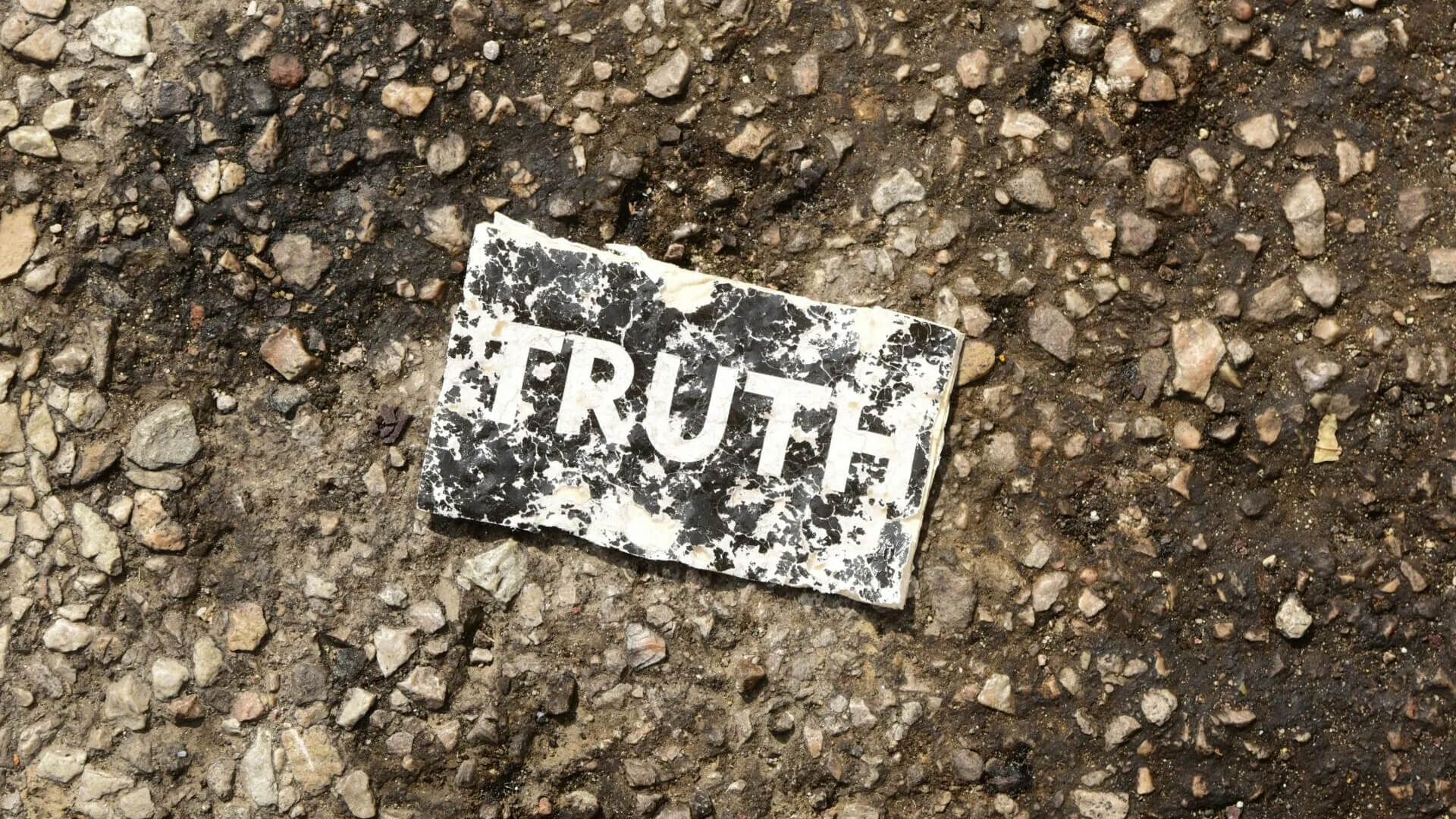
These beliefs are rarely questioned. They feel like truth.
But they often take root long before someone becomes a leader — through personal history, culture, family, school, or early work experiences.
Over time, they shape emotional habits.
How you respond to pressure.
How much you trust your team.
Whether you delegate or stay in control.
Whether you stay present or disconnect.
And those habits become patterns.
Not just in you, but in your team as well.
What I’ve seen again and again is this:
Even the most committed leaders can unintentionally create climates of pressure, silence, or fear, not because of their intentions but because of what they carry.
That’s why my work often starts there.
Not with judgment.
Not with labels.
But with space to pause, observe, and understand what is driving you.
We don’t collapse into introspection.
We stay grounded in the present.
We pay attention to what happens under stress.
To what drains your energy or triggers reactivity.
To what quietly shapes trust, performance, and safety.
We don’t chase perfection.
We name what’s real.
So you can lead with more freedom, intention, and emotional clarity.
Because leadership is not just about knowing what to do.
It’s about becoming someone others feel safe following, especially under pressure.