

Over the past few weeks, as I prepared to transition from my role at IOM, I’ve been deeply moved by something I didn’t anticipate.
In quiet, one-on-one goodbye conversations, several team members shared reflections on our time working together. They spoke about how good it was to work with me and to have me as a supervisor. They described feeling guided, not micromanaged, and trusted yet supported. They also noted that I offered both structure and freedom.
Some shared that during difficult moments in their personal lives, they felt safe and seen at work. Others said they had grown more than they imagined possible, not just professionally but as people.
While I never asked for this feedback, it touched me in ways I find hard to put into words.
Because this is exactly what I value in leadership:
That people can do well and feel well.
Work can be a place of growth, not just pressure.
Leaders can be both human and effective.
And it made me reflect:
What makes a leader truly unforgettable?
It’s rarely the KPIs.
We don’t often remember the targets our managers hit, the frameworks they followed, or the productivity tools they introduced. What we remember, often for years, is how they made us feel.
Whether we could be ourselves.
We felt safe speaking.
Our mistakes were treated with dignity.
Someone had our back when we struggled.
We went home tired but proud or depleted and invisible.
The leaders we remember aren’t always the most strategic, charismatic, or technically brilliant. They’re the ones who created a space where we could show up fully, not just with our skills but with our ideas, doubts, creativity, and humanity.
We remember the leaders who made us feel seen.
Who asked how we were doing and truly listened.
Who made it easier to bring our best because we weren’t busy protecting ourselves.
They left a mark.
Not through pressure, but through presence.
That’s the emotional legacy of leadership.
And it’s often the part that goes untrained, unmeasured, and underestimated.
But in a time when trust is fragile, emotional exhaustion is common, and workplace stress is normalized, it’s exactly this kind of leadership we need most.
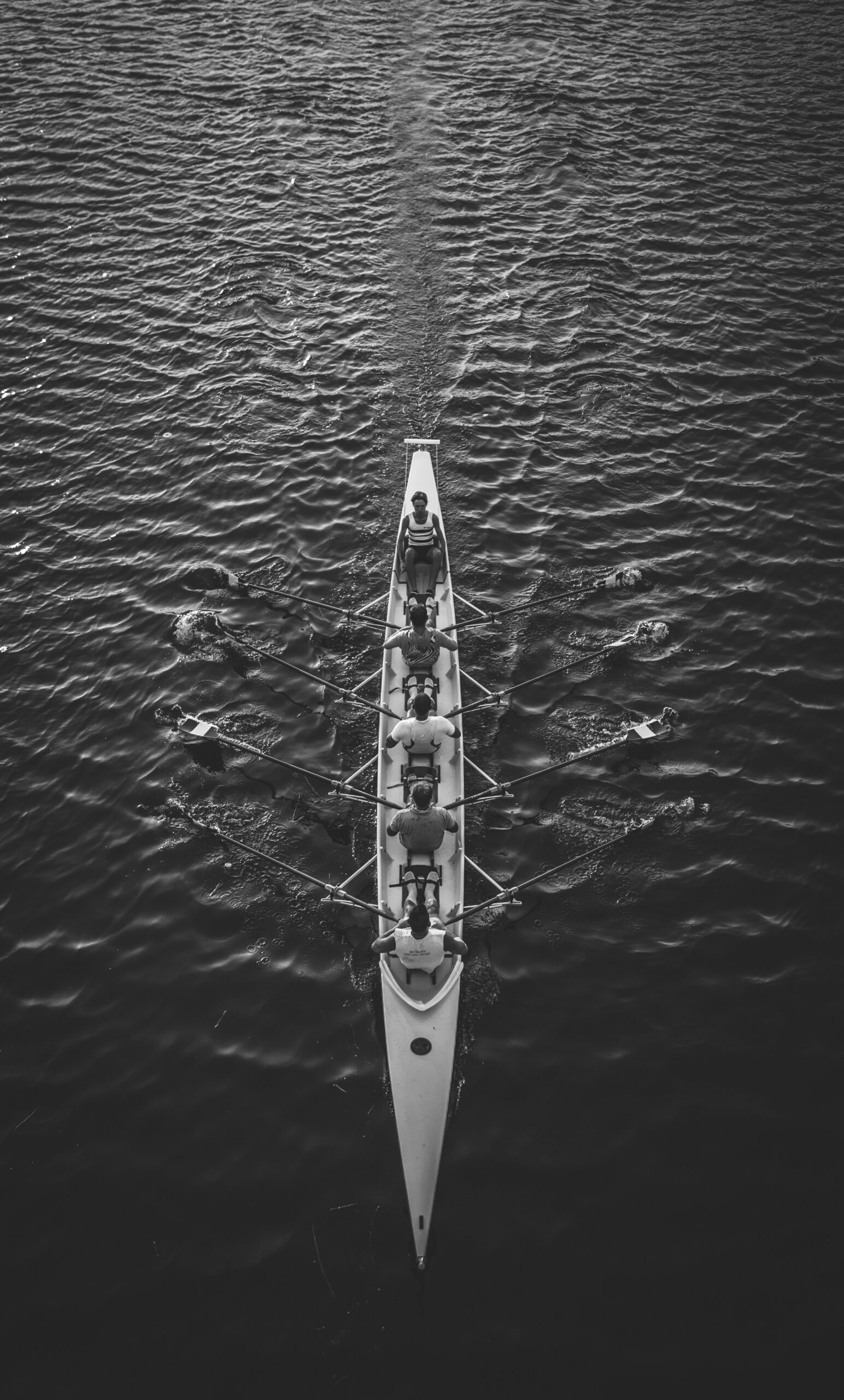
Imagine being the kind of leader people never forget
Not because you were always right, but because you were real
Because people felt respected around you
They did some of their best work under your leadership and felt safe to think freely, speak honestly, and grow fully
This is what I support leaders in doing
Not just running teams
But shaping climates that encourage courage, connection, and performance that does not come at the cost of well-being
Leadership is not just what you do.
It’s what people carry with them after you’re gone.